Delve Into the Domain of Fair Trade Tea: Remarkable Brews That Back Sustainable Practices
Fair Trade tea demonstrates a harmonious balance of caliber and integrity. Each cup grants a distinct taste composition while backing sustainable farming practices. This process not only upgrades the tea pleasure but also assists struggling agricultural producers. Grasping its origins and certification processes discloses richer dimensions of meaning. As consumers become more intentional about their choices, the reach of Fair Trade tea spreads past taste. What exists beneath the surface of these determinations?
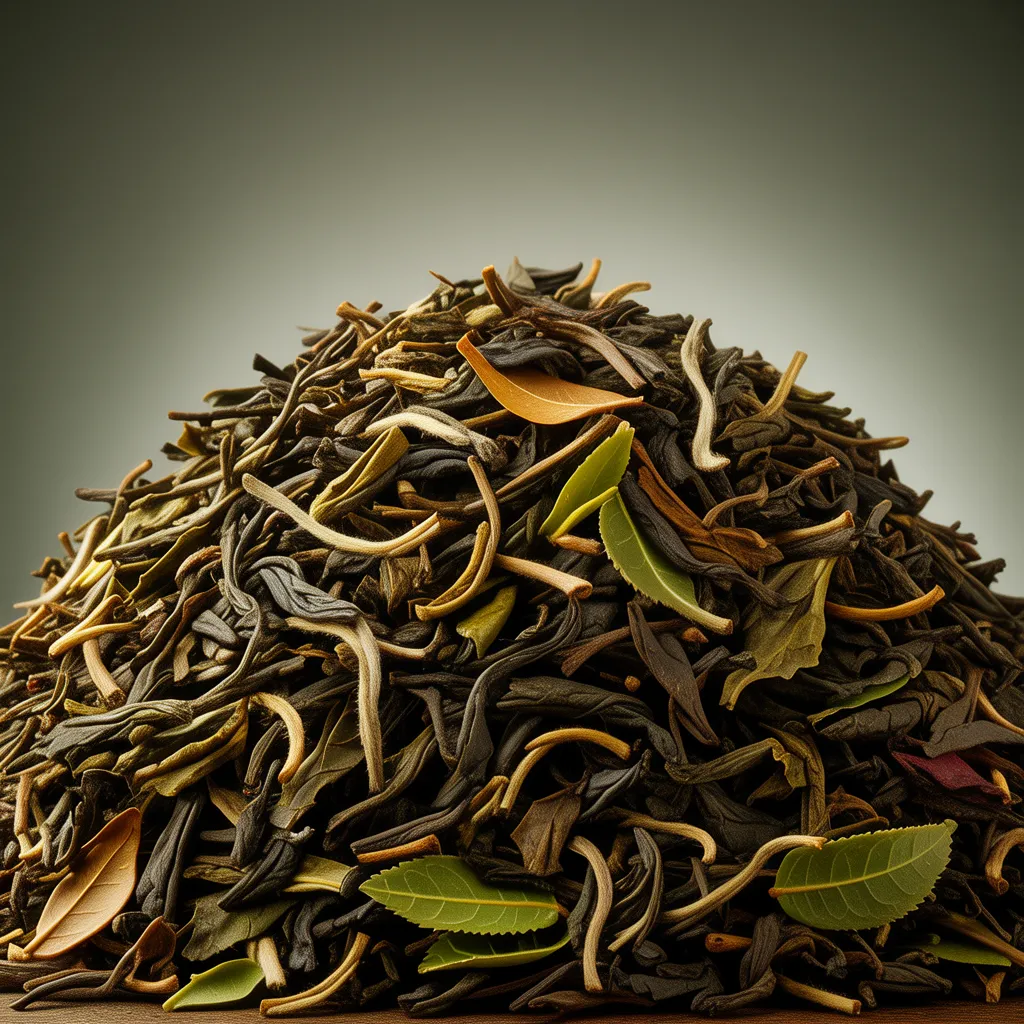
Learn the Sources of Fair Trade Tea
Fair Trade tea stems from the social and economic movements geared toward advancing the livelihoods of marginalized farmers. Taking shape in the closing years of the twentieth century, this project strived to tackle inequities in international trade, especially in transitional economies where tea is regularly cultivated. The campaign gained traction as consumers became more and more aware of the harsh conditions faced by grassroots growers, including unfair pricing and mistreatment by multinational companies.
Through collaborative frameworks, Fair Trade sought to empower these farmers, ensuring they received fair compensation and backing for eco-friendly agricultural methods. The movement also concentrated on advancing environmental responsibility, promoting organic farming and biodiversity. As knowledge grew, Fair Trade tea became a symbol of ethical consumption, linking consumers directly with the origins of their beverages. By choosing Fair Trade tea, individuals add to a larger goal of social justice and economic equity, fostering a more sustainable future for tea-growing communities.
Grasp the fundamentals of responsible sourcing for sustainable methods
Comprehending Fair Trade certification is essential to recognizing how sustainable practices are upheld within the tea industry. This certification guarantees that producers receive fair wages and work under safe conditions, which directly leads to community development. Fair Trade standards promote environmentally sustainable farming methods, reducing the use of harmful chemicals and encouraging biodiversity.
Certification enhances transparency in the supply chain, permitting consumers to track their tea back to its origin. By following these standards, farms undertake practices that safeguard environmental assets and support local environments. Additionally, Fair Trade organizations often deliver learning materials and instruction to farmers, empowering them to improve their farming techniques and economic stability.
Ultimately, Fair Trade certification not only enhances the quality of tea but also aligns consumer choices with ethical and sustainable values, making it an essential aspect of the tea industry's dedication to social responsibility and environmental stewardship.
Investigate Leading Selection of Fair Trade Tea
While many tea enthusiasts enjoy the complex tastes and scents of different teas, exploring the top types of Fair Trade tea reveals a deeper dedication to responsible practices and environmental care. Some popular options feature Fair Trade Assam, recognized for its strong, grain-forward flavor, and Fair Trade Darjeeling, often referred to as the "Champagne of teas" for its subtle flower-like characteristics. Another notable variety is Fair Trade Earl Grey, blended with bergamot, offering a distinctive citrusy flavor.
Additionally, Fair Trade Green Tea, celebrated for its invigorating qualities and health benefits, is increasingly favored among health-conscious consumers. Herbal blends, such as Fair Trade Chamomile and Peppermint, also excel, delivering soothing and calming effects. Each of these varieties not only delivers exceptional flavor but also supports farmers and communities working for better livelihoods, making them a responsible choice for tea lovers seeking quality and ethical assurance.
Brewing Fair Trade Tea: Advice for an Outstanding Cup
To brew the best cup of Fair Trade tea, focus is essential, as the best practices can improve the tea's individual tastes and scents. First, the water quality is fundamental; using clean water ensures a pure flavor that allows the tea's features to stand out. The water temperature is also essential; distinct teas require precise heat; boiling for black tea and cooler for green or herbal varieties.
Subsequently, the steeping time must be strictly observed. Oversteeping can result in bitterness, while understeeping may not extract the full flavor profile. A general guideline is 3-5 minutes for black tea and 2-3 minutes for green tea.
Finally, utilizing the correct tea-to-water ratio enhances the taste; one teaspoon of loose tea per cup is a solid starting point. By adhering to these tips, tea lovers can fully appreciate the rich offerings of Fair Trade tea.
Environmental Impacts of Fair Trade Tea
Brewing Fair Trade tea not only elevates the tea experience but also backs eco-friendly farming methods that benefit the ecosystem. Fair Trade accreditation encourages farmers to use organic farming methods, which minimize the dependence on harmful pesticides and fertilizers. This method promotes species diversity, aiding in the protection of local habitats and safeguard wildlife habitats.
Furthermore, Fair Trade methods often focus on soil health and water conservation, ensuring that tea cultivation does not deplete essential resources. By assisting small-scale farmers, Fair Trade also fosters agroforestry, which combines tea cultivation with other crops and trees, further boosting environmental resilience.
Moreover, Fair Trade tea frequently involves environmentally friendly wrapping and transportation methods, reducing the greenhouse gas emissions associated with its distribution. Overall, selecting Fair Trade tea demonstrates a deliberate commitment to promote a increasingly eco-friendly agricultural system that honors both the Earth and its inhabitants.

How Your Selection of Tea Empowers Global Communities
Selecting Fair Trade tea strengthens global communities by providing growers with fair wages and better working conditions. This commitment ensures that tea producers can sustain their livelihoods while putting money in their families and community economies. By purchasing Fair Trade tea, shoppers add to the growth of essential community services, such as education and medical services.
Fair Trade certification promotes responsible conduct, requiring businesses to adhere to standards that emphasize employee protections and environmental sustainability. As a result, growers are incentivized to grow premium tea, which not only enhances their income but also fosters satisfaction in their work.
Additionally, the direct trade relationships established through Fair Trade eradicate predatory middlemen, permitting farmers to interact with consumers worldwide. This transparency nurtures trust and encourages a global appreciation for the cultural significance of tea. Ultimately, each cup of Fair Trade tea serves as a testament of the constructive influence individuals can have on international societies through mindful consumption.
Often Asked Questions
What Strategies Should I Use to Identify Fair Trade Tea Products On Sale in Stores?
To locate fair trade tea products in stores, one should identify certification labels, such as Fair Trade Certified or Rainforest Alliance. Additionally, exploring brands committed to ethical sourcing can enable making informed choices.
Do Fair Trade Tea Items Offer Any Health Benefits?
Fair trade tea may deliver diverse health perks, featuring heart-supporting antioxidants, improved digestive health, and sharper mental clarity. Also, sustainable sourcing practices facilitate sustainable farming, helping advance a cleaner environment and community wellness.
Is it Feasible to Discover Ethically Sourced Tea Through Digital Shopping Platforms?
Yes, responsibly sourced tea is commonly found in online marketplaces. Various companies present a variety of selections, ensuring shoppers can readily purchase sustainable choices that support both sustainability and fair labor professional tips practices.
In What Ways Does Fair Trade Tea Impact Community Economies?
Fair trade tea beneficially affects local economies by providing farmers with fair wages, fostering community development, and promoting environmentally responsible agriculture. This support improves living standards, promotes economic stability, and enables communities to allocate resources toward education and healthcare.
How Do I Store Fair Trade Tea for Peak Freshness?
To maximize freshness, fair trade tea should be stored in an sealed jar, shielded from pungent smells, moisture, and light. Storing it in a dark, cool location helps maintain its aroma and flavor over time.